
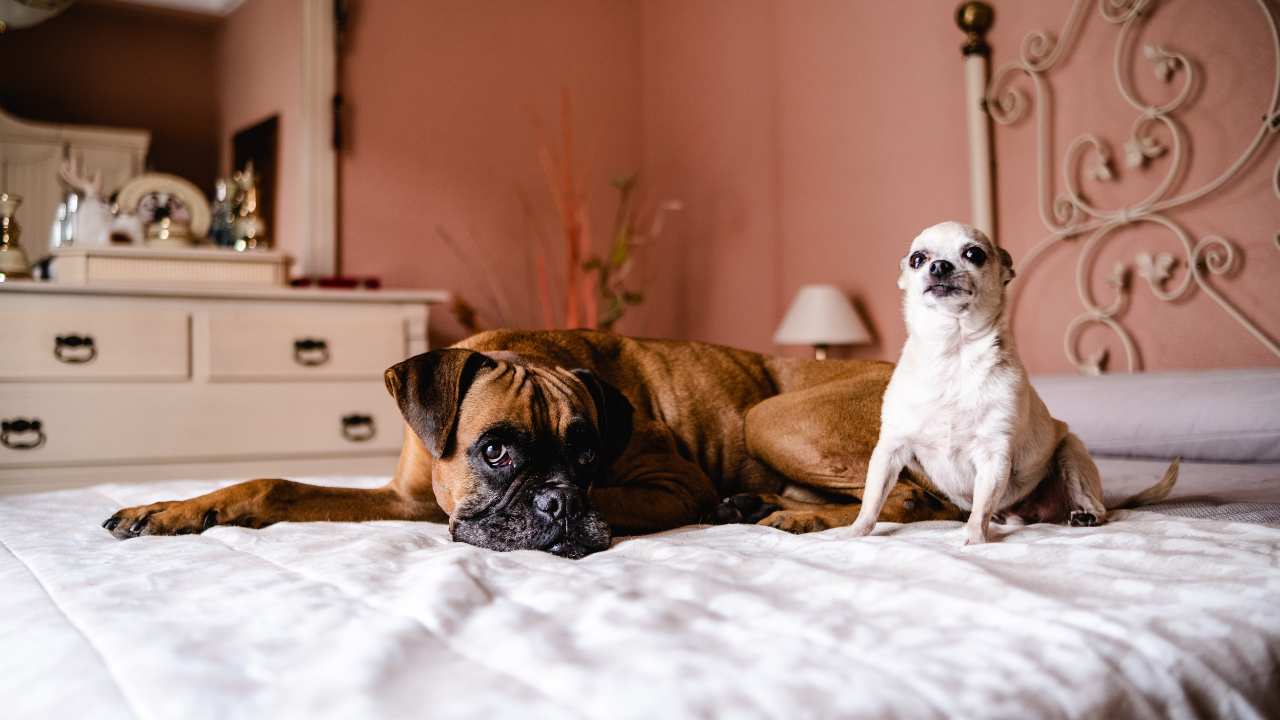
A Chihuahua and a Great Dane can live in the same home and experience it very differently. A sofa that is easy for one dog to reach may be a real obstacle for another, while a crate that feels roomy to one dog may be too tight for another.
Every dog needs the same basics: suitable food, regular activity, rest, safety, and a routine that works for them. What changes with size is how you meet those needs. Steps, beds, harnesses, walking pace, and even getting into the car can feel easy for one dog and awkward for another.
Size does not tell you who your dog is, but it can be a useful clue for spotting small adjustments that make everyday life more comfortable. Here are some of the places where it matters most.
Size Changes How Dogs Move Through Everyday Spaces
The same home can feel very different depending on a dog’s size.
A small dog may struggle to get onto a high sofa, climb tall steps, or get into a car without help. Position food and water where the dog can reach them comfortably.
Larger dogs can run into the opposite problem. Tight hallways, undersized beds, cramped crates, and crowded rooms may make it harder to turn around or settle comfortably.
Flooring matters too. Slippery surfaces can make movement less secure for dogs of any size, especially when they move quickly or get up from rest.
Instead of asking whether a space works in general, ask whether your dog can move through it comfortably and safely without unnecessary effort.
Quick Check: Try a Floor-Level Walkthrough
Get down closer to your dog’s eye level and look at their usual route: sofa, food bowl, bed, and door. Notice anything especially high, slippery, or tight? A non-slip rug, a suitable step or ramp, or a roomier resting spot may make everyday movement easier.
Feeding and Equipment Need to Fit the Dog, Not Just the Category
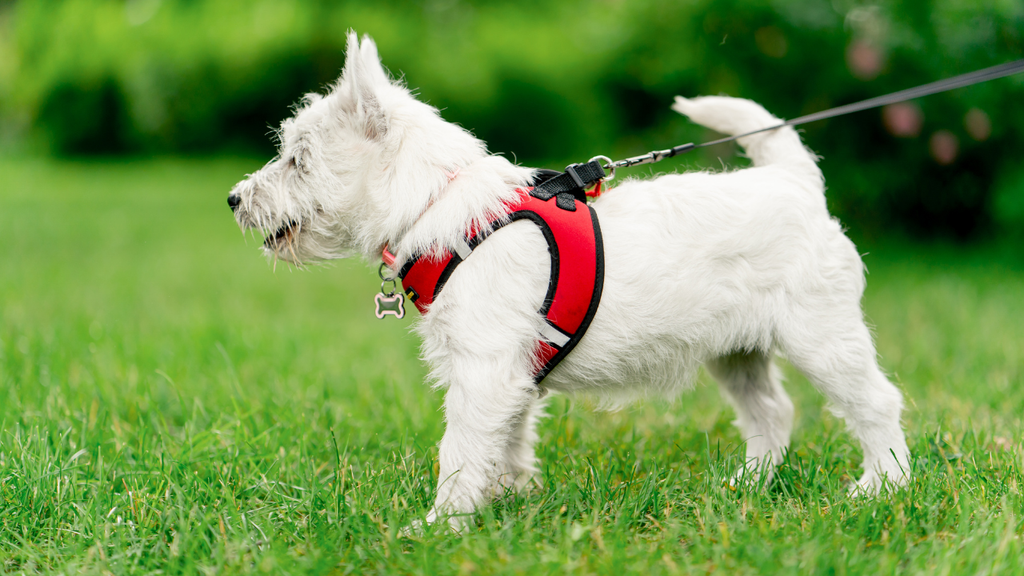
Size affects many of the things we buy for our dogs, but the label on the package is only a starting point.
- Collars and harnesses need to fit the dog’s body comfortably and securely.
- Leashes should feel manageable for both the dog and the person holding them.
- Beds and crates should provide enough room for the dog to rest and turn around comfortably.
- Toys should suit the individual dog. Avoid toys small enough to swallow whole, and watch for anything that breaks into smaller pieces. Very large or heavy toys can also be awkward for small dogs.
Feeding works similarly. Body condition, age, activity level, and the specific food all affect how much is appropriate, so size alone isn’t enough.
Quick Check: Review the Fit
Many collars and harnesses use a two-finger check as a general starting point, but fit can vary by product, coat, and body shape. Follow the manufacturer’s fitting guidance and make sure the equipment is secure without rubbing or restricting movement.
Exercise Can Look Different at Different Sizes
Size changes what everyday activity looks like, but it does not tell you how much exercise a dog needs.
A short walk for a person can mean a lot more steps for a very small dog. Larger dogs may cover the same distance more easily, but that does not mean every large dog needs long or intense exercise.
Age, health, fitness, temperament, and breed tendencies all play a role.
Exercise also does not have to mean walking farther. Sniffing, play, simple games, and time to explore can all add useful activity to the day. Rest and recovery matter for every dog too.
Quick Check: Watch Pace, Not Just Distance
Pay attention to how your dog moves during the walk. Are they keeping up comfortably, slowing down, or looking ready for a break? Those everyday signals can help you judge whether the pace and distance suit the dog in front of you.
Handling and Safety Change With Size
Size changes what everyday handling feels like for both the dog and the owner.
Small dogs are easy to pick up, which can make carrying them seem like the simplest solution. They can also be easy to miss underfoot, near doors, or around furniture. When lifting a small dog, support the body rather than pulling or lifting by the front legs.
Larger dogs bring different practical considerations. If they pull, jump, get excited, or need help getting into a vehicle, their weight and strength can make those moments harder to manage.
Simple preparation can help. Have the leash ready before opening a door, keep busy entryways as clear as possible, and think ahead about how your dog will get into and out of the car.
The goal is not to treat large dogs as difficult or small dogs as fragile. It is to recognize that size changes the physical side of handling, and care works better when you plan for it.
The Individual Dog Still Comes First
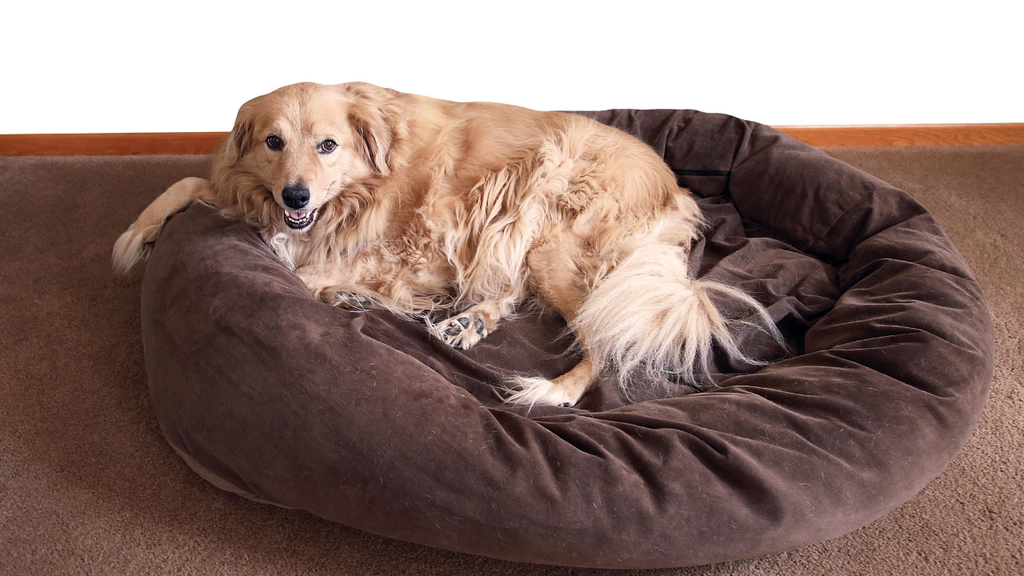
Two dogs of similar size can have very different energy levels, routines, comfort needs, and preferences. One may move confidently through the house and enjoy longer outings, while another may prefer a slower pace and more rest.
That is why size works best as a clue rather than a shortcut.
Observation tells you more than any label. Ask yourself:
- Can my dog move comfortably through their usual spaces?
- Does their equipment fit well?
- Can they keep up without struggling?
- Do they have enough room to rest comfortably?
If you notice a sudden change in mobility, stamina, appetite, or comfort, look beyond size and talk with your veterinarian when appropriate.
Quick Check: Keep a Short Comfort Log
For a few days, jot down anything you notice about how your dog gets up, manages stairs, settles down, or finishes walks. If something changes, those notes can help you describe what you’re seeing more clearly.
Let Your Dog’s Comfort Guide the Routine
Good everyday care is often about noticing where small adjustments can make life easier.
Your dog’s size can help you find those places, whether that means changing the setup at home, choosing better-fitting equipment, adjusting your walking pace, or making handling more comfortable.
The most useful habit is to look at ordinary routines from your dog’s point of view. Size gives you clues. Your dog’s comfort, movement, and behavior tell you what actually works.
The 5-Minute Home Check
- Can my dog reach their food and water comfortably?
- Can they get onto and off furniture, or into the car, without unnecessary difficulty?
- Are the main walking routes reasonably secure underfoot?
- Does their collar or harness fit comfortably and securely?
- Is their bed large enough for them to rest in a natural position?
Enjoyed this?
Each issue of Spiky Woofs brings simple, practical dog-care guidance for everyday owners. Subscribe to get new issues delivered straight to your inbox.Subscribe → https://everyday-dog-care.subscribepage.io
Frequently Asked Questions
Does a dog’s size affect how much exercise they need?
Not on its own. Size can affect pace and how a dog handles certain activities, but age, health, fitness, temperament, and breed tendencies also matter. Watching how comfortably your dog moves is usually more useful than judging by size alone.
Do small dogs need less exercise than large dogs?
Not necessarily. Small dogs still benefit from regular activity, sniffing, play, and opportunities to explore. The right amount depends on the individual dog, not size alone.
How do I know if a harness or collar fits properly?
It should feel secure without rubbing, restricting movement, or being easy to slip out of. A two-finger check is often a good starting point, but the right fit depends on the product and your dog’s body shape, so follow the manufacturer’s instructions.
How should I choose toys for different-sized dogs?
Choose toys that suit your dog’s size and how they use them. Avoid anything small enough to be swallowed whole, and supervise new toys until you know how your dog handles them.
How can I make my home more comfortable for a small or large dog?
Watch your dog’s usual route through the home and notice anything especially high, slippery, cramped, or hard to reach. Small changes such as non-slip surfaces, easier access to favorite spaces, or a better-sized bed can make everyday routines more comfortable.
When should I talk to a veterinarian about my dog’s comfort?
If you notice a sudden or persistent change in mobility, stamina, appetite, or comfort, do not assume it is related to size. A veterinarian can help determine whether something else may be going on.